
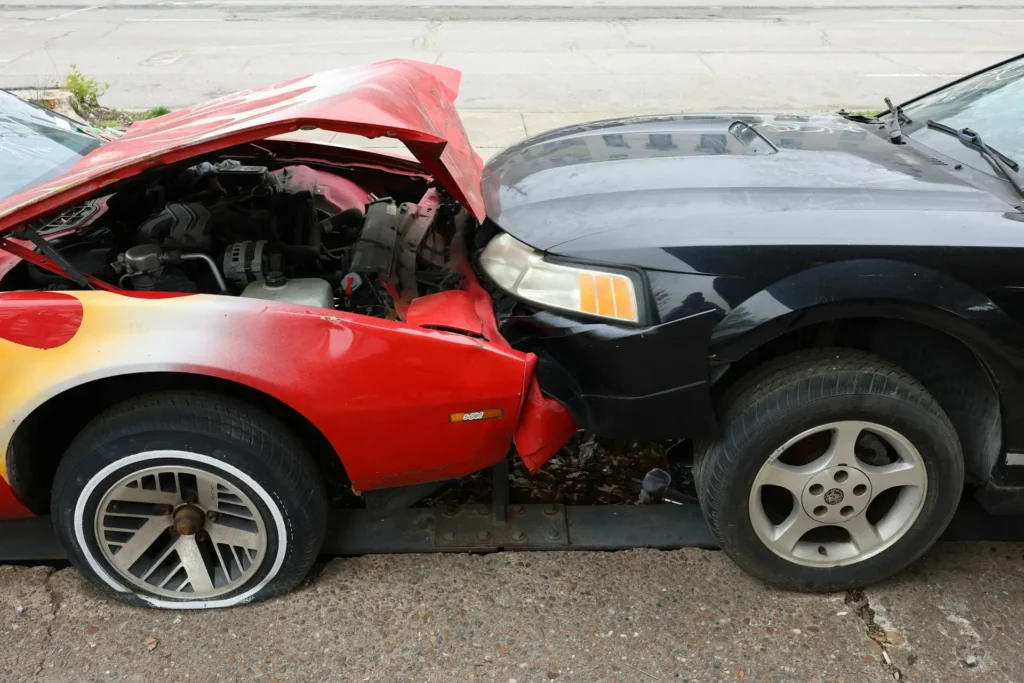
If an uninsured driver accident in Georgia occurs,Georgia law requires insurers to offer uninsured motorist coverage under O.C.G.A. § 33-7-11, which can step in when the at-fault driver carries no insurance. Acting quickly, documenting everything, and consulting an attorney before speaking to any insurance company are the three most important steps you can take.
A Question That Comes Up More Than You Might Think
One of the most common situations that comes through the Law Offices of P. Kent Eichelzer III involves some version of the same story. A driver runs a red light, rear-ends someone at a stop, or sideswipes a car on a Cherokee County road. Then comes the moment at the scene where the at-fault driver admits they do not have insurance.
For most people, that moment feels like the end of the road. The question of what happens if an uninsured driver accident in Georgia hits you is one that deserves a direct, honest answer, because the answer is not as hopeless as it might feel in that parking lot or on the shoulder of I-575.
Georgia law provides a path forward. It requires specific coverage options to be offered to every insured driver in the state, and it sets out exactly how an uninsured driver accident claim in Georgia can work. Understanding those rules is the difference between recovering what you deserve and walking away with nothing.

What Georgia Law Requires Every Driver to Carry
Mandatory Minimum Coverage Under O.C.G.A. § 33-34-4 and § 40-6-10
Georgia law does not make uninsured driving legal. Under O.C.G.A. § 33-34-4, every owner of a motor vehicle required to be registered in Georgia must carry motor vehicle liability insurance that meets the minimum requirements established under the Motor Vehicle Safety Responsibility Act. Under O.C.G.A. § 40-6-10, drivers are required to keep proof of that coverage in the vehicle at all times.
The minimum liability coverage amounts required under O.C.G.A. § 40-9-37 include bodily injury coverage and property damage coverage at thresholds the statute specifies. Many drivers carry only the legal minimum, and in a serious accident, that minimum can fall far short of covering the actual damages.
The problem is that requiring coverage and enforcing it are two very different things. Every day, drivers across Georgia operate vehicles without valid insurance. When one of those drivers causes an accident, the injured party cannot simply collect from a policy that does not exist. That is exactly why Georgia’s uninsured motorist law matters.
Georgia’s Uninsured Motorist Law: What O.C.G.A. § 33-7-11 Provides
How Uninsured Motorist Coverage Works in Georgia
Under O.C.G.A. § 33-7-11, no automobile liability policy may be issued or delivered in Georgia unless it includes an offer of uninsured motorist coverage. This coverage, commonly called UM coverage, allows an injured driver to file a claim through their own insurance policy when the at-fault driver carries no insurance at all.
The statute also extends to underinsured motorist situations. Under O.C.G.A. § 33-7-11(b)(1)(D)(ii), a vehicle is considered uninsured when the at-fault driver does carry liability coverage, but that coverage is less than the limits of the injured driver’s own UM policy. In other words, if someone with a minimum liability policy hits you and your damages far exceed that coverage, your own UM coverage can potentially fill the gap between what the at-fault driver’s policy pays and the limits of your own policy.
Georgia drivers have the right to reject UM coverage in writing. If no written rejection exists in the file, the coverage is presumed to apply. Many drivers do not realize they have UM coverage, or they do not understand how to use it, until they are standing across from an uninsured driver at the scene of a crash.
The Difference Between Add-On and Reduced UM Coverage
Georgia’s UM statute offers two structures for how coverage is applied. The first, known as add-on UM coverage, allows the injured driver’s UM policy limits to stack on top of any available liability coverage from the at-fault driver. The second, known as reduced UM coverage, means the injured driver’s UM limits are offset by whatever the at-fault driver’s liability coverage pays.
The type of UM coverage on a policy directly affects how much compensation is actually available after an uninsured driver accident in Georgia. Reviewing those policy terms with an attorney before filing a claim is one of the most consequential steps in protecting the value of the claim.

What to Do After an Uninsured Driver Accident in Georgia
Call the Police and Get a Report
A police report is essential in any uninsured driver accident claim in Georgia. It creates an official record that the accident occurred, documents the at-fault driver’s lack of insurance, and captures any citations or statements made at the scene. Law enforcement will confirm whether the at-fault driver can produce proof of coverage as required under O.C.G.A. § 40-6-10. If they cannot, that fact belongs in the report.
Leaving the scene without a report number and instructions for obtaining a copy is a mistake. That document becomes one of the foundations of the claim.
Document Everything at the Scene
Photographs of both vehicles, their positions, any visible injuries, road conditions, and the surrounding area all support an uninsured driver accident claim in Georgia. Witness contact information should be collected before people leave. Any statements the at-fault driver makes at the scene, including an admission that they have no insurance, should be noted as specifically as possible while the details are fresh.
Physical evidence disappears quickly. A thorough record taken at the scene is far more reliable than memory alone.
Seek Medical Attention Without Delay
Injuries sustained in car accidents do not always present fully at the scene. Soft tissue injuries, traumatic brain injuries, and spinal damage can worsen significantly in the hours and days following a crash. A medical evaluation on or near the date of the accident is critical to connecting the injuries to the collision in a way that supports a personal injury claim. Any gap in treatment gives an insurance company an opening to argue that the injuries were not caused by the accident, or were not as serious as claimed.
Do Not Assume Your Only Option Is Your Own Insurer
When an uninsured driver hits you in Georgia, your own UM coverage is a primary avenue for recovery. That does not mean the at-fault driver faces no consequences. A motor vehicle accident claim can still be pursued against the uninsured driver directly through the civil court system. Collecting on a judgment against an uninsured individual depends on their financial circumstances, but the legal right to pursue that claim does not disappear simply because the driver has no insurance.
An attorney can evaluate all available avenues of recovery and help determine which ones make the most practical sense given the facts of the case.
Avoid Recorded Statements Before Speaking to an Attorney
After an uninsured driver accident in Georgia, your own insurance company will typically reach out quickly. It is worth remembering that your insurer, while obligated to provide UM coverage, is still a business with an interest in minimizing what it pays out. A recorded statement made without legal guidance can be used to reduce the value of a UM claim.
Under O.C.G.A. § 33-7-11(j), if an insurer fails to pay a valid UM coverage demand within 60 days, additional statutory penalties can apply. An attorney familiar with Georgia’s UM statute knows how to structure a demand and hold an insurer accountable to the timeline the law requires.
The Filing Deadline Still Applies
An uninsured driver accident claim in Georgia is still a personal injury claim. The statute of limitations under O.C.G.A. § 9-3-33 requires that a personal injury lawsuit be filed within two years of the date of the accident. Missing that deadline eliminates the right to pursue the claim through litigation, regardless of the circumstances.
If the accident involved a government vehicle or occurred on government-maintained property, shorter ante litem notice requirements may apply. Those windows can be as short as six months. Consulting with an attorney early ensures no deadline is missed and no option is left off the table.

Frequently Asked Questions
What happens if an uninsured driver hits me in Georgia and I have no UM coverage?
If no uninsured motorist coverage exists on your policy, your options narrow but do not disappear entirely. A direct civil claim against the at-fault driver is still possible. Whether that claim results in meaningful recovery depends on the driver’s financial circumstances. An attorney can evaluate what recovery is realistically available and whether any other coverage, such as a household member’s UM policy, might apply to the situation.
Does Georgia require uninsured motorist coverage on every auto policy?
Georgia law under O.C.G.A. § 33-7-11 requires that UM coverage be offered with every automobile liability policy issued or delivered in this state. A driver may reject UM coverage, but that rejection must be made in writing. If no written rejection exists in the policy file, the coverage is generally presumed to apply. Many drivers who believe they declined UM coverage find that the rejection was never properly documented.
Can I sue an uninsured driver directly in Georgia?
Yes. Filing a claim through your own UM coverage and pursuing a civil lawsuit against the at-fault driver are not mutually exclusive. Georgia law allows both. The practical value of a judgment against an uninsured driver depends on whether that driver has assets available to satisfy it. An attorney can assess both avenues and advise on the most effective approach given the specific facts.
How does underinsured motorist coverage differ from uninsured motorist coverage in Georgia?
Under O.C.G.A. § 33-7-11(b)(1)(D)(ii), a vehicle is considered uninsured when the at-fault driver’s available liability coverage is less than the limits of the injured driver’s own UM policy. Underinsured motorist coverage addresses the gap between what the at-fault driver’s insurance pays and the total limits of the injured driver’s own policy. Both situations fall within the protections Georgia’s UM statute provides.
What is the deadline to file a claim after an uninsured driver accident in Georgia?
The standard statute of limitations for a personal injury claim in Georgia is two years from the date of the accident under O.C.G.A. § 9-3-33. If a government vehicle is involved, notice deadlines can be significantly shorter. Acting early gives an attorney the time needed to investigate the claim, preserve evidence, and file within the required window.

Find Out Where Your Claim Stands Before Time Runs Out
An uninsured driver accident in Georgia does not have to mean an uncompensated one. Georgia law provides real options for injured drivers, and knowing how to use them makes all the difference.
At the Law Offices of P. Kent Eichelzer III, over 24 years of experience goes into helping accident victims across Woodstock and Cherokee County understand their rights and pursue every avenue of recovery available to them. Do not let an uninsured driver be the reason a family goes without the compensation it deserves. Contact the office today for a free consultation, and find out exactly where your claim stands before the clock runs out.
Call 678-824-4455 or reach out through our contact page.